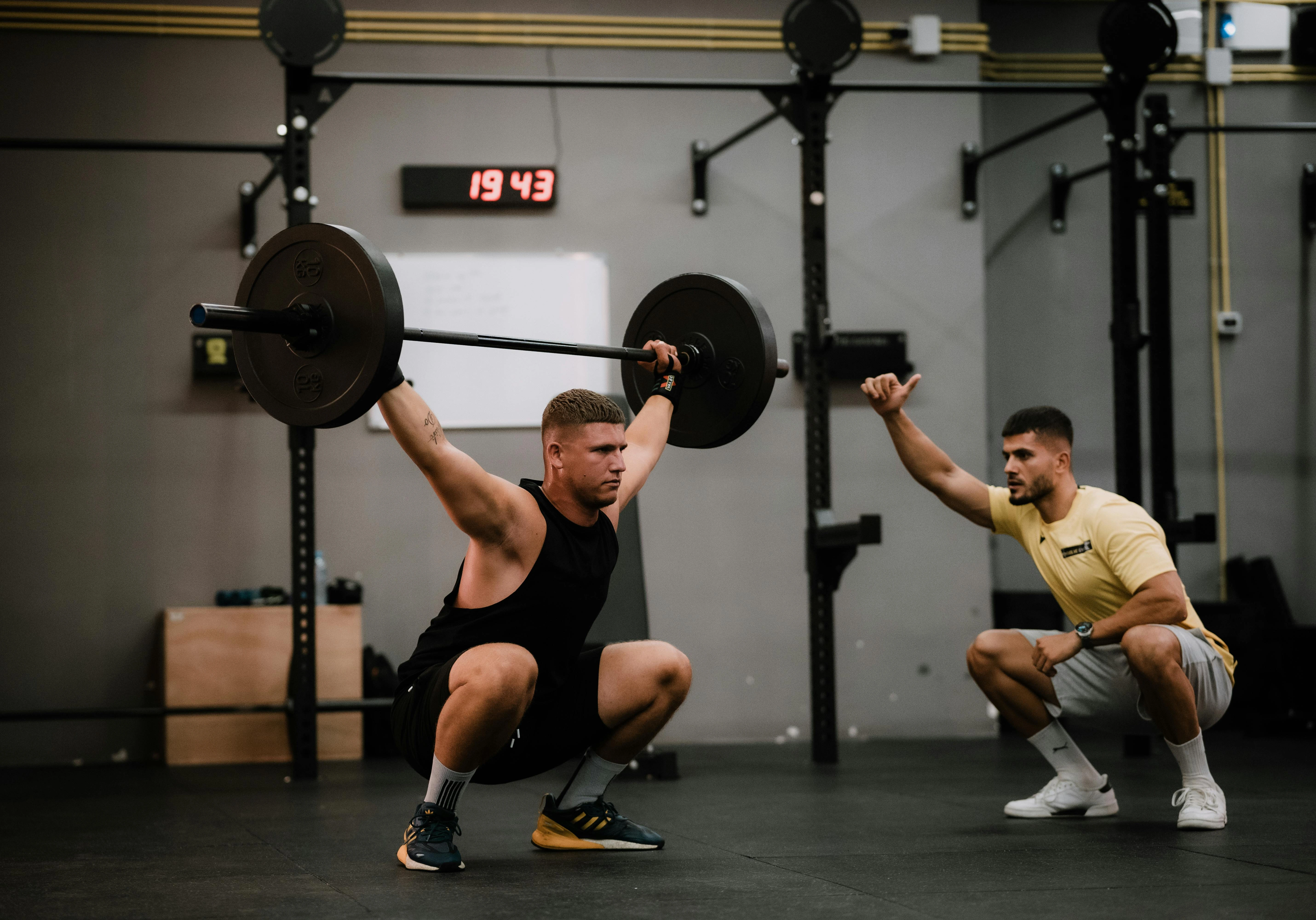
A new member walks into your gym. They’re motivated, maybe a little nervous, and ready to change their life. The problem? They have no idea where to begin.
This is your moment to deliver more than just access to machines. What you provide next will shape whether they become a loyal member, or quietly stop showing up in a few weeks.
Creating a smart, structured workout plan for new gym members isn’t just about programming squats and cardio. It’s about building a system that helps beginners stay consistent, see progress early, and avoid the common pitfalls that derail motivation.
This guide walks you through exactly how to build that system, step by step. No fluff. No overcomplication. Just the fundamentals that actually move the needle.
Why a Structured Plan Matters
First impressions stick. If a new member’s first few sessions are chaotic or unclear, chances are they won’t stick around. Most people join gyms with high hopes, but without structure, they fall into one of two traps:
- Doing too much too soon.
- Doing too little with no clear purpose.
The result? Burnout, confusion, or both.
A clear plan removes the guesswork, improves member retention, and reinforces that your gym is built for results, not just reps.
Step-by-Step Process to Set Up A Workout Plan
Follow this step-by-step process to get started with the workout process.
Step 1: Start with a Baseline Assessment
Before writing a single rep or set, assess where the member currently stands. This will inform everything that follows.
Why it matters: Everyone’s starting point is different. Age, weight, prior injuries, mobility, stamina, and comfort with exercise vary wildly. A 25-year-old ex-athlete needs a different plan than a 42-year-old sedentary office worker.
What to assess:
- Body composition (weight, BMI, body fat%)
- Flexibility and mobility
- Cardiovascular endurance (basic treadmill or bike test)
- Basic strength test (push-ups, squats, etc.)
- Injury history and limitations
Pro tip: Avoid overwhelming them with numbers. Use these benchmarks to shape a plan, not to intimidate.
Step 2: Understand Their Goals And Clarify Them
Many new members say they want to “lose weight” or “tone up.” That’s a starting point, but it’s vague. Your job is to dig deeper.
Ask questions like:
- What does “fit” look like to you?
- Are you aiming for fat loss, muscle gain, or endurance?
- How often can you realistically train each week?
- What motivates you, appearance, performance, or health?
Use SMART goals (Specific, Measurable, Achievable, Relevant, Time-bound) to bring clarity.
Example: Instead of “get stronger,” frame it as “increase deadlift by 20% in 12 weeks.”
Step 3: Build a Beginner-Friendly Training Split
This is where structure meets psychology. You’re not just writing a plan but designing a habit system.
A solid beginner split might look like:
Option A: Full-body routine (3x/week)
Perfect for those who can commit to 3 sessions per week. Each session hits major muscle groups.
Option B: Upper/Lower split (4x/week)
Good for slightly more advanced beginners or those with better recovery and consistency.
Sample Full-Body Schedule:
- Day 1: Squats, Push-ups, Bent-over Rows, Plank
- Day 2: Deadlifts, Dumbbell Press, Lat Pulldown, Side Plank
- Day 3: Lunges, Incline Push-ups, Seated Rows, Russian Twists
Set/Rep range: 2–3 sets of 10–12 reps for most exercises
Keep intensity moderate. Leave some reps “in the tank” (also known as RIR: reps in reserve). The goal is movement quality and consistency, not maxing out.
Step 4: Include Cardio and Mobility But Don’t Overdo It
New gym members often default to cardio, thinking it’s the fastest way to lose weight. While cardio has its place, strength training should still be the foundation.
Recommended Cardio Schedule:
- 2–3 sessions per week
- 20–30 minutes
- Moderate intensity (brisk walking, cycling, elliptical)
Add mobility work:
- Dynamic warmups before workouts
- Static stretching or foam rolling post-workout
- Yoga-based sessions once a week can be a bonus
Mobility reduces injury risk and improves recovery, two things that help members stick around longer.
Step 5: Build in Progression (Without Overwhelming Them)
Progress keeps motivation high. But for beginners, too much too soon leads to burnout or injury. The solution? Gradual overload.
Ways to progress:
- Add 5–10% more weight every 1–2 weeks
- Increase reps slightly
- Improve exercise form
- Decrease rest time between sets
Avoid “program hopping.” Stick with the same routine for at least 4–6 weeks before making major changes.
Also, track progress. This could be a digital log, an app, or just a printed sheet. If they can see improvements, they’ll be more likely to keep going.
Step 6: Educate Along the Way
Knowledge builds confidence. A workout plan alone won’t cut it if they don’t understand the why behind what they’re doing.
What to teach:
- Proper form (video demos or supervised sessions)
- Importance of recovery and sleep
- Role of nutrition (without trying to be their dietitian)
- How consistency beats intensity over time
Bonus:Offer brief orientation sessions or handouts that explain the first month’s plan. The more they know, the more empowered they’ll feel.
Step 7: Address Common Pitfalls Early
If your workout plan doesn’t account for beginner struggles, you’ll lose them within weeks. Set them up to win by naming and solving problems upfront.
Pitfall 1: Doing too much, too soon
How to avoid:Start with 3–4 workouts per week. Focus on habit-building, not punishment.
Pitfall 2: Comparing themselves to others
How to avoid:Remind them that progress is personal. Create a space where beginners don’t feel watched or judged.
Pitfall 3: No visible progress in the first 2 weeks
How to avoid:Set expectations. Let them know that strength, confidence, and energy often show up before physical changes.
Step 8: Make It Adaptable
Life gets messy. Travel, work, illness, something always comes up. If your workout plan is rigid, it breaks. If it’s flexible, it bends.
How to make plans adaptable:
- Offer quick 20-minute versions of longer sessions
- Swap home-friendly alternatives for gym equipment
- Include recovery-only weeks if needed
Remind new members: missing a day isn’t failure, it’s part of the process. The win is coming back.
Keep It Simple, Consistent, and Human
New gym members don’t need a perfect program, they need a consistent one they’ll follow. One that matches their lifestyle, goals, and mindset. Your job is to guide, simplify, and encourage.
A well-structured workout plan for new gym members doesn’t just help them lift weights. It helps them lift confidence, discipline, and long-term motivation.
Want to build a results-driven gym culture that keeps members coming back? Start with a beginner-friendly system that delivers real progress, one rep, one plan, and one person at a time.
Love to write about health & fitness?
If you are a fitness enthusiast who loves writing about health & fitness and would like to share with the world, then we are here to help you out. Send in your blog at [email protected] and we shall put it up on our website with due credits absolutely free!